

The Role of Luck in Roulette
Luck is often regarded as a central component in games of chance, and roulette is no exception. At its essence, roulette is a game that relies heavily on random outcomes; players place their bets, and the spinning of the wheel ultimately determines victory or defeat. Unlike skill-based games, where players can improve their chances through practice and strategy, roulette outcomes are primarily left to chance, heightening the significance of luck. For those interested in exploring more about these dynamics, various resources such as canadian betting sites can provide insights into different betting strategies. While some players may have theories that suggest favorable patterns or trends, the reality is that every spin is independent, making luck an unpredictable and unavoidable factor.
Moreover, the unpredictable nature of luck can evoke a range of emotions among players. The thrill of winning can produce a euphoric feeling, while the agony of loss can be equally potent. This emotional rollercoaster can influence betting behavior, prompting players to make decisions driven more by hope than strategy. Thus, understanding the role of luck goes beyond mere statistics; it involves recognizing how that uncertainty shapes our experiences and decisions at the table.
In many ways, the allure of roulette lies in this uncertainty. Players are drawn to the excitement of the game because they cannot predict the outcome, and this unpredictability is what keeps them coming back. Each spin represents a new opportunity—an opportunity to experience the serendipity of luck in action. Therefore, while strategies and betting systems may exist, they ultimately cannot alter the fundamental role that luck plays in determining outcomes at the roulette table.
The Illusion of Control
Many players fall into the trap of believing they can influence the outcome of the game through various strategies or betting systems. This concept can be misleading, as it creates an illusion of control over something that is inherently random. Some may employ betting patterns or systems like Martingale or Fibonacci, thinking these methodologies can sway luck in their favor. However, while these systems may provide a structure to betting, they do not change the fundamental randomness of the spin.
The reliance on perceived control reflects a human inclination to seek patterns and correlations, even in situations governed by chance. Players often convince themselves that past outcomes can inform future ones, leading to the gambler’s fallacy. For instance, if red has appeared several times in a row, a player may feel that black is ‘due’ to hit next. This belief, while psychologically compelling, has no basis in the actual probabilities of the game.
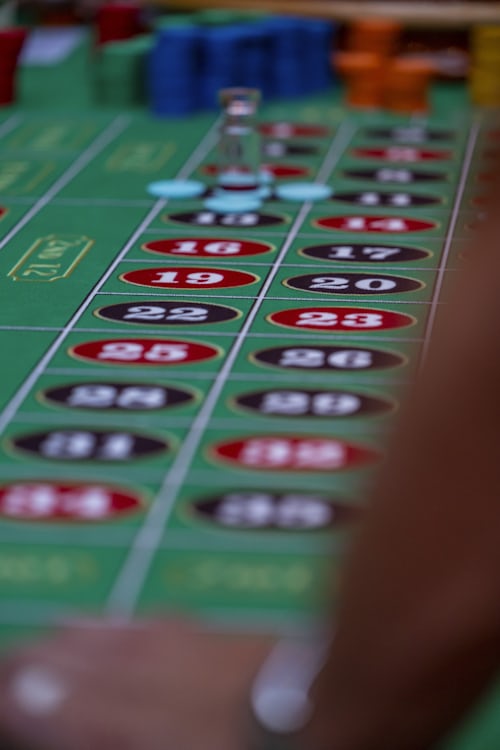
This illusion can become problematic, as it may lead players to engage in riskier betting behaviors. By overestimating their control, individuals might invest larger sums or adopt more aggressive strategies, driven by the hope that they can somehow bend luck to their will. Ultimately, this only underscores the importance of recognizing luck’s role; by understanding the boundaries of control, players can approach the game with a healthier mindset that focuses on enjoyment rather than obsessive strategies.
The Influence of Probability
While luck plays a fundamental role in roulette, it is equally important to understand the probabilities involved in the game. Each bet made on the roulette table has specific odds, which players can familiarize themselves with to make informed decisions. For example, betting on a single number provides a much higher payout than betting on red or black, yet it comes with substantially lower odds of winning. Acknowledging these probabilities can deepen a player’s appreciation for the game and help temper the impact of luck.
Moreover, understanding the house edge can provide clarity on how luck interacts with the statistical aspects of the game. The house edge—the mathematical advantage that the casino has over players—varies depending on the type of roulette being played. For example, European roulette has a lower house edge than American roulette due to the absence of a double zero. This means that players who are aware of these differences can choose games that offer better odds, which can enhance their overall experience.
Players can use this probability knowledge to make more strategic bets rather than relying solely on luck. While luck ultimately determines individual outcomes, players can leverage the understanding of probability to optimize their chances of success in the long run. This balanced perspective allows the thrill of the game to coexist with a rational approach, ultimately leading to a more fulfilling casino experience.
The Psychological Aspect of Luck
The psychological effects of luck in roulette can substantially impact a player’s behavior and overall enjoyment of the game. The experience of winning creates a positive emotional response, which can lead to an increase in confidence and further gambling. Conversely, repeated losses can diminish a player’s morale, leading them to chase losses in hopes of regaining what has been lost. This cycle highlights how the psychological perception of luck can drive decisions at the roulette table.

Additionally, the social aspects of roulette can amplify the psychological effects of luck. For instance, playing alongside others at a bustling table can foster an atmosphere of shared excitement, where players might feel caught up in a collective wave of luck or misfortune. This group dynamic can lead individuals to make bolder bets as they look to emulate or join in on the lively energy, further influencing their decisions beyond pure strategy or rationale.
Players who recognize their emotional responses to luck can take proactive steps to manage their gambling. Setting limits and maintaining a clear perspective on the role of luck can help mitigate the impact of emotions on betting behavior. This awareness fosters a healthier relationship with the game, enabling individuals to enjoy roulette for its thrilling randomness rather than succumbing to the emotional highs and lows that may accompany luck-driven betting.
Find Your Balance at the Tables
In the complex world of roulette, finding a balance between luck and strategy is paramount for any player looking to enhance their experience. While luck serves as a key factor in determining outcomes, employing a thoughtful approach to betting can elevate both enjoyment and potential success. Emphasizing education about the game’s odds and strategies can empower players to make more informed choices at the table.
Moreover, fostering a positive mindset toward both winning and losing can create a more enjoyable gaming environment. By accepting that luck will play a significant role, players can approach the game with a sense of adventure rather than anxiety. Embracing the unpredictability of each spin can contribute to a more rewarding experience, allowing players to immerse themselves fully in the thrill of roulette.
Ultimately, understanding how luck influences the roulette table equips players with the knowledge needed to navigate this exhilarating game. By appreciating both the role of chance and the importance of strategy, individuals can maximize their enjoyment and engage responsibly within the casino environment.