

The allure of slot machines
Slot machines have captivated players for decades, combining vibrant graphics, engaging sounds, and the thrill of potential winnings. The allure lies in their simplicity; players can easily grasp how to play without needing to master intricate rules. This accessibility draws in a diverse audience, from seasoned gamblers to casual players, making the machines ubiquitous in both physical and online casino venues. The ease of play contributes to the widespread popularity of slots, as many players are looking for quick entertainment that requires little effort or understanding.
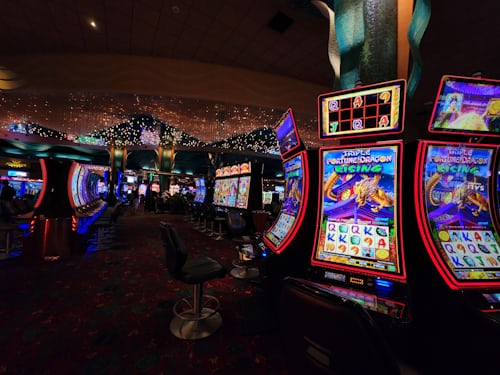
The design of slot machines is strategically crafted to enhance their appeal. With themes that range from classic fruit symbols to immersive fantasy worlds, they create an exciting sensory experience. The bright lights and upbeat music activate a sense of fun and anticipation, which can lead to increased excitement with every spin. This engaging environment keeps players returning, seeking the next big win. Additionally, the prospect of winning large jackpots within a seemingly simple game creates a compelling allure that can be hard to resist.
Furthermore, the unpredictable nature of slot machines adds to their charm. Unlike traditional card games where skill heavily influences outcomes, slots rely on randomness. This unpredictability can create a compelling «near-miss» effect, where players almost win but fall short, triggering a psychological response that encourages them to keep playing in hopes of a win. This cycle of hope and disappointment can lead to prolonged play, fostering an environment conducive to addiction, as players chase the elusive big prize.
The psychological mechanisms of addiction
Understanding the psychological mechanisms behind slot machine addiction begins with the concept of reinforcement. Positive reinforcement plays a crucial role; when a player wins, they experience a rush of dopamine, the neurochemical associated with pleasure and reward. This pleasure reinforces the behavior of playing, encouraging the individual to seek that emotional high again through repeated spins. Over time, players may become conditioned to associate the act of playing with feelings of excitement and joy, deepening their attachment to the machines.
Additionally, the concept of variable ratio reinforcement is central to slot machine dynamics. Players receive wins at unpredictable intervals, creating excitement akin to a lottery system. This setup keeps players engaged, as they are conditioned to believe that a significant win could occur at any moment. The uncertainty surrounding when that win might happen contributes to a compulsive cycle of play, where the excitement of the next potential payout is enough to keep players coming back, even after sustained losses.
Moreover, cognitive distortions, such as the illusion of control, often come into play. Players may believe that they can influence the outcome of the game through their actions or strategies, despite the inherent randomness of slot machines. This false sense of empowerment can further entrench behaviors, as individuals struggle to accept their actual lack of control over the random events. Cognitive distortions cloud judgment and lead to continued play, despite mounting losses, reinforcing the cycle of addiction that many find difficult to escape.
The impact of environment on gambling behavior
The environment in which players engage with slot machines significantly impacts their behavior and propensity for addiction. Casinos are expertly designed to create a sense of excitement and urgency. The absence of clocks, the use of bright colors, and the strategic placement of machines all contribute to an immersive experience that encourages extended playtime. Players often lose track of time and money, which can lead to detrimental consequences, as the sensory overload keeps them in a state of heightened arousal and anticipation.
Additionally, social factors can influence gambling behavior. Many individuals play slots in groups, sharing experiences and celebrating wins together. This shared environment can foster a communal sense of encouragement to continue playing, reinforcing the behavior through social validation. While the camaraderie can enhance enjoyment, it can also lead to increased gambling frequency and intensity. The social aspect of gambling can create a sense of belonging, which may encourage individuals to overlook the negative consequences of their actions.
Research has shown that environmental cues, such as music and lighting, can stimulate emotions that are conducive to gambling. For example, a study found that certain musical tempos can influence the speed at which players engage with machines, prompting them to play faster and for longer periods. This interplay between environment and psychology highlights the multi-faceted nature of slot machine addiction and its triggers, suggesting that both individual factors and external stimuli can significantly contribute to the risk of developing compulsive gambling behaviors.
Struggles faced by individuals with addiction
Individuals struggling with slot machine addiction often face numerous personal challenges that affect their lives and relationships. Financial difficulties are among the most significant repercussions, as compulsive gambling can lead to mounting debts and lost savings. The belief that a win is just around the corner can result in individuals risking more than they can afford, often leading to dire financial consequences that can spiral out of control. Many find themselves in a cycle of borrowing and desperation as they chase losses, further entrenching their addiction.

Relationships also suffer as a result of this addiction. Family members and friends may experience feelings of betrayal, frustration, and helplessness as addiction takes precedence over personal connections. The secretive nature of compulsive gambling can isolate individuals, creating a cycle of loneliness that fuels their behavior. The emotional toll can be profound, impacting mental health and overall well-being, leading to anxiety, depression, and in severe cases, suicidal thoughts. The strain on relationships can exacerbate feelings of shame and guilt, making recovery even more complicated.
Moreover, the stigma surrounding gambling addiction often prevents individuals from seeking help. Many may feel shame or embarrassment about their behavior, mistakenly believing they should be able to control their gambling impulses. This stigma can lead to a lack of support and resources, making recovery challenging. Understanding these struggles is essential for fostering empathy and promoting effective intervention strategies. By addressing the stigma and encouraging open discussions about gambling addiction, society can create a more supportive environment for those in need of help.
Resources and support for recovery
Recovery from slot machine addiction is a challenging journey, but numerous resources are available to support individuals seeking change. Gamblers Anonymous offers a community-based approach, providing meetings and support networks for those affected by gambling addiction. This sense of community can be crucial in helping individuals feel less alone in their struggles and more empowered to seek recovery. Sharing experiences with others who understand the challenges can foster a sense of accountability and motivate individuals to commit to their recovery journey.
Professional therapy options also play a vital role in recovery. Cognitive-behavioral therapy (CBT) is often employed for gambling addiction, helping individuals recognize cognitive distortions and develop healthier coping mechanisms. This therapeutic approach fosters awareness and provides tools to manage cravings and triggers, supporting long-term recovery efforts. Therapists can work with individuals to develop personalized strategies that address their unique challenges, helping to build resilience against relapse.
Additionally, online resources and hotlines provide information, support, and guidance for those struggling with addiction. These services offer anonymity and can be accessed at any time, making them a practical option for individuals who may feel uncomfortable seeking help in person. Awareness and education about the signs of addiction, along with available resources, can empower individuals to take the first steps toward recovery. By utilizing these resources, individuals can find the support they need to overcome the challenges of addiction and reclaim control over their lives.